We look for a batch-level certificate of analysis published by the merchant.
Stated purity and fill
Purity percentage and milligrams per vial as stated on the product page.
Labeling and storage info
Clear research-use labeling, lot numbers and storage instructions.
Cost per milligram
Vials compared on price per milligram, not on sticker price.
BPC-157 peptide has accumulated more published preclinical data than most research compounds in its class, yet it still lacks a single completed human clinical trial. That contrast is the entire reason this site exists. We built this hub to organize what the published literature actually reports, compare vendor products on verifiable specs and give you the tools to evaluate BPC-157 peptide claims without relying on marketing copy. Everything below links to primary sources or to data pulled directly from product pages.
What Is BPC-157 and Why It Dominates Peptide Research
The 15-Amino-Acid Chain From Gastric Juice
BPC-157 stands for Body Protection Compound-157. It is a synthetic pentadecapeptide. The sequence is GEPPPGKPADDAGLV, derived from a larger protein found in human gastric juice. The compound was first isolated by researchers at the University of Zagreb in the early 1990s, and that same group has published the majority of the literature. Its molecular weight is 1419.53 g/mol. The peptide is unusually stable in gastric acid, surviving more than 24 hours at pH 1-2. That stability distinguishes it from most therapeutic peptides, which degrade in minutes under those conditions.
BPC-157 peptide does not exist as a standalone molecule in the body. Researchers synthesize it and administer it through intraperitoneal injection, subcutaneous injection, oral gavage or topical application in animal experiments. A 2025 systematic review cataloged its reported effects across gastrointestinal, musculoskeletal, neurological and cardiovascular systems. All data came from preclinical models.
How Many Studies Exist and What They Cover
The volume of preclinical work is substantial. Over 500 published studies reference BPC-157 in some capacity. But volume does not equal clinical proof. Nearly all published work comes from one research group. Independent replication remains limited. Zero completed randomized controlled human trials have appeared in PubMed or any clinical trial registry as of this writing.
500+preclinical studies published
15amino acids in the BPC-157 sequence
1419.53 g/molmolecular weight
0completed human clinical trials
The literature is tracked monthly here, and our BPC-157 therapy guide gets updated when new data appears. The gap between animal signal and clinical proof is real. Ignoring it does not make it smaller.
How We Compare Peptide Vendors
We do not accept payment from vendors. There are no "sponsored reviews." All data comes from live product pages and reflects what is visible to any buyer. If a vendor does not list vial size, that gets flagged. If a Certificate of Analysis is published on the product page, it is noted. If it is missing, that is noted too.
Price per Milligram Math
Sticker price means nothing without knowing the amount in the vial. A $34.95 vial with no milligram amount listed cannot be compared on a per-milligram basis to a $43.20 vial that states 10mg on the label. Price per milligram is calculated only when the vendor publishes the quantity. When they do not, it is flagged as "not calculable." This is basic arithmetic, not opinion.
COA Policy and Testing Documentation
A Certificate of Analysis (COA) from a third-party lab is the minimum standard for verifying what is in a vial. It should show HPLC purity, mass spectrometry confirmation and ideally endotoxin screening. Some vendors publish lot-specific COAs on their product pages. Others do not. The status is recorded as observed at time of review. For a full vendor breakdown, see our peptide brands comparison.
BPC-157 Vendor Comparison
Vendor
Product
Form
Size
Price
Price/mg
COA Status
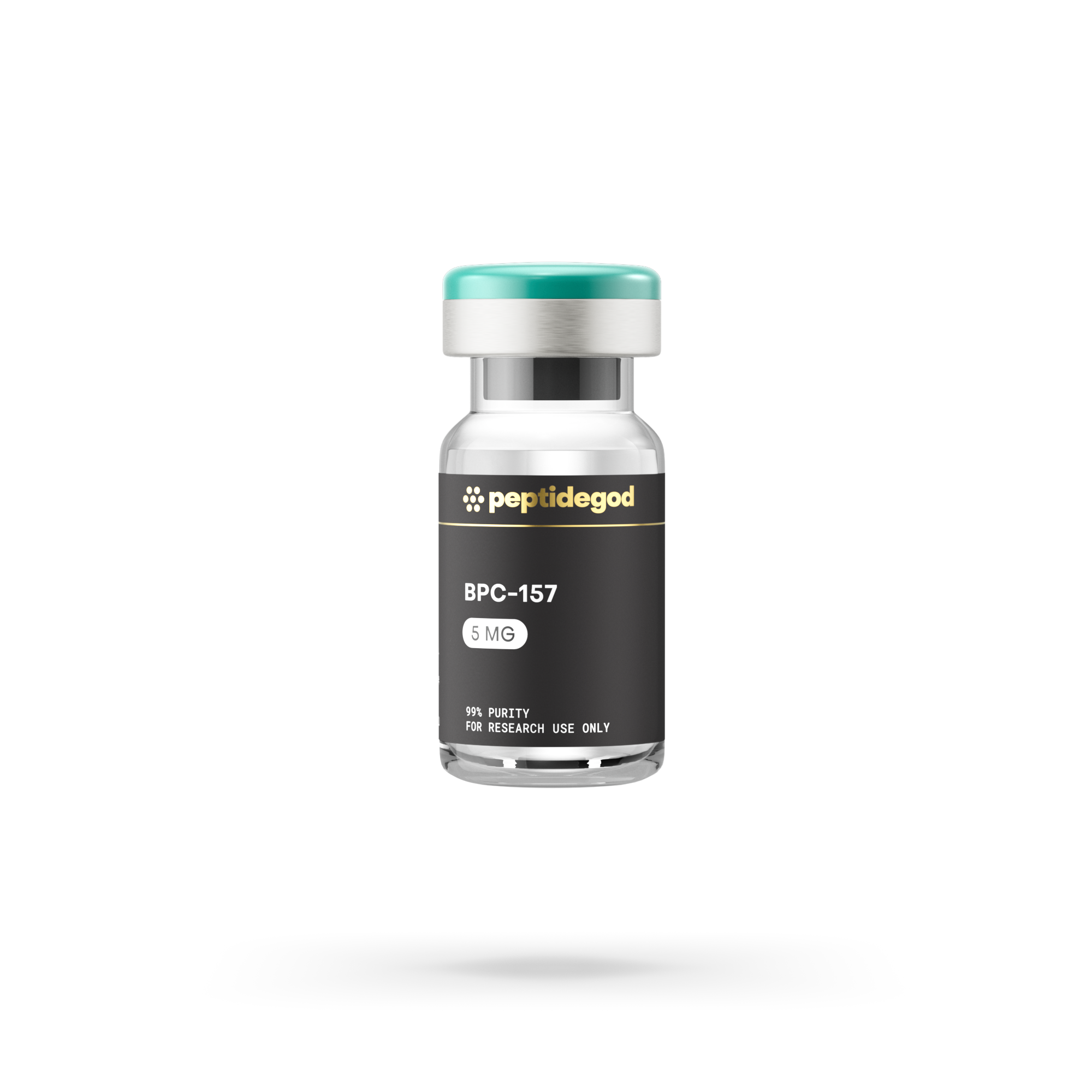
PeptideGod
BPC-157
Lyophilized vial
Not listed
$34.95
Not calculable
No COA on page
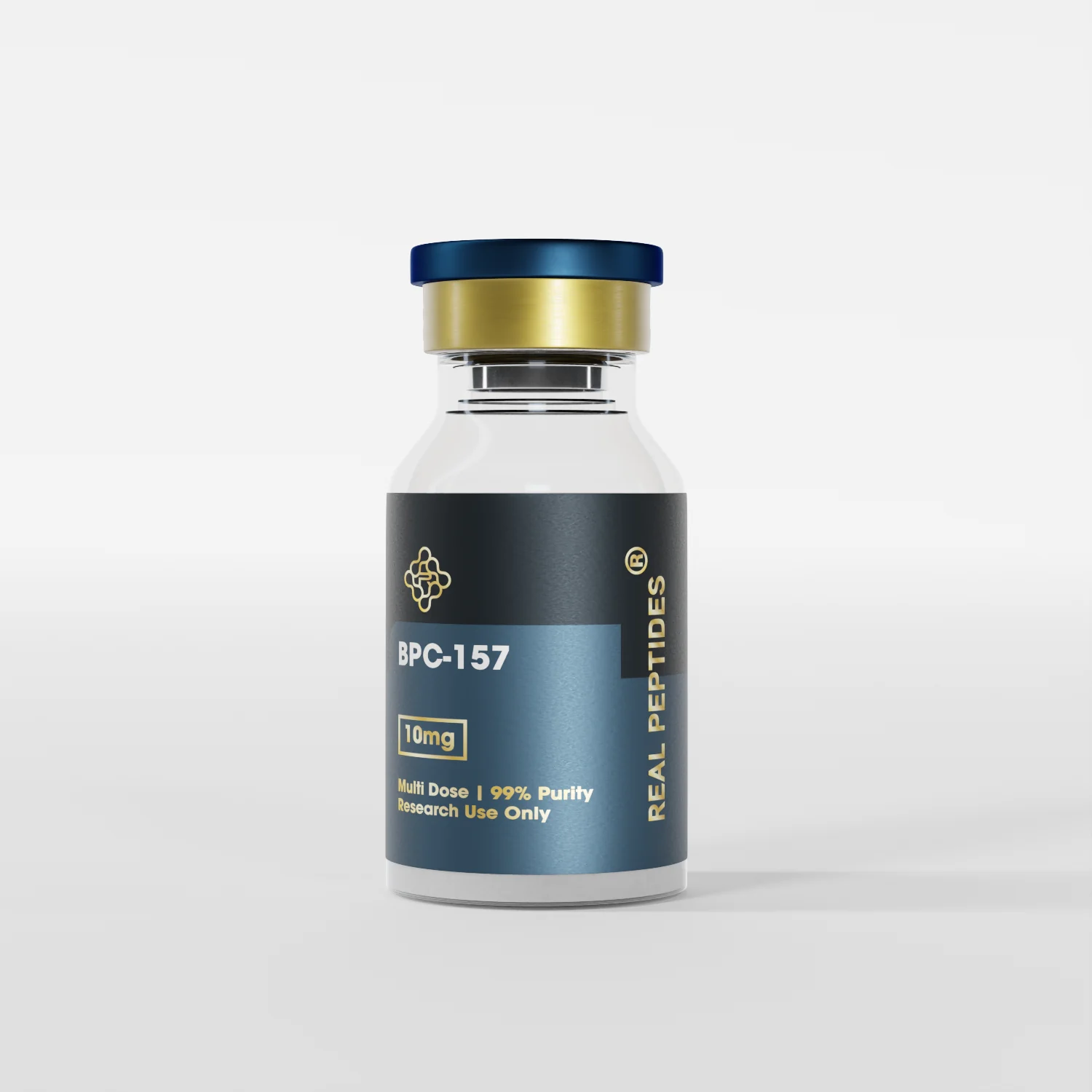
Real Peptides
BPC-157 10mg
Lyophilized vial
10mg
$43.20
$4.32
Published lot COA, HPLC ≥99%
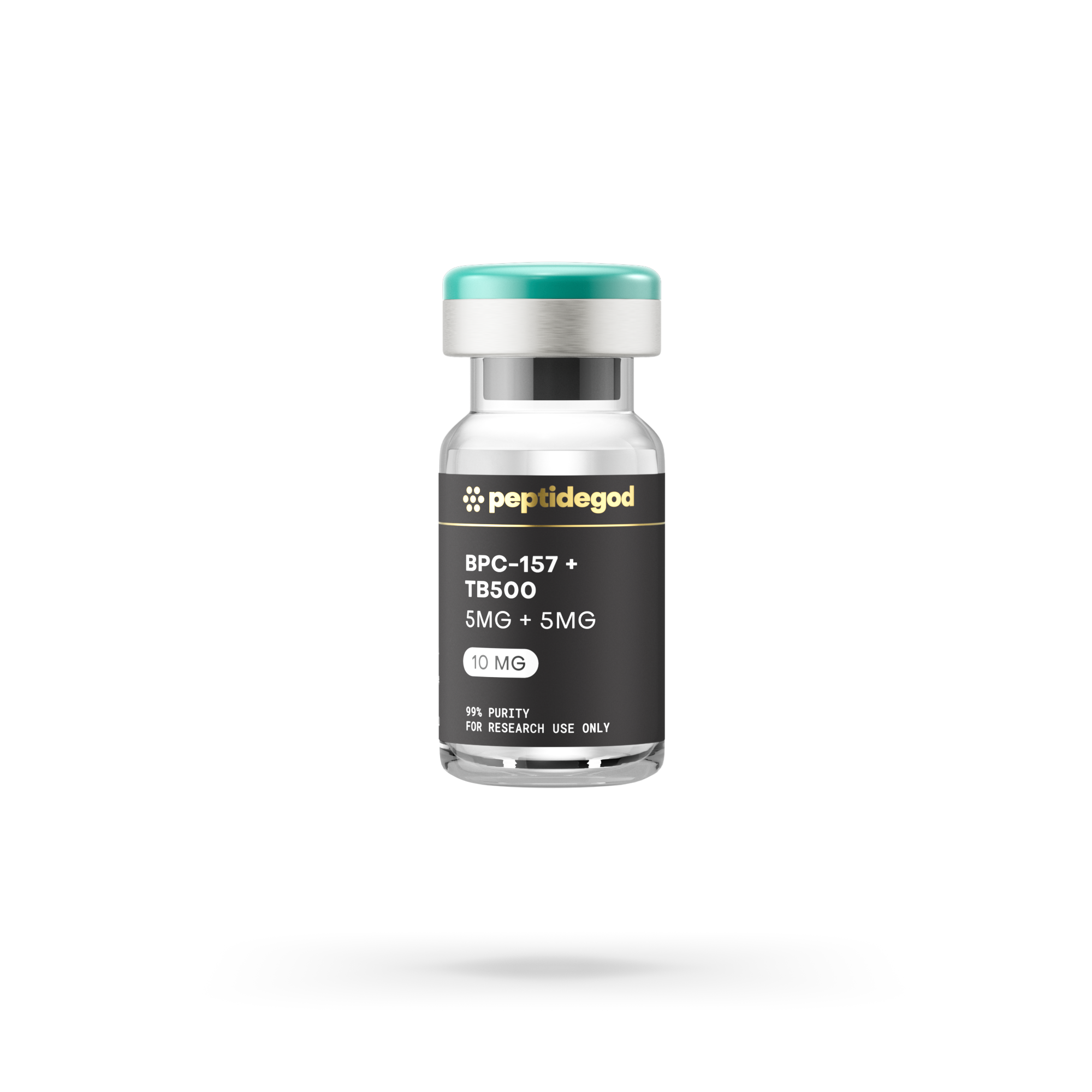
PeptideGod
BPC-157 + TB-500
Lyophilized blend
Not listed
$59.95
Not calculable
No COA on page
Research Highlights from Published Studies
What follows is a summary of what BPC-157 research has demonstrated in animal models. This is not presented as evidence of human efficacy. The distinction matters, and it will keep getting repeated.
BPC-157 Key Research Data
Tissue types studied
Gut, tendon, muscle, nerve, bone, skin, vascular
Primary mechanism proposed
Nitric oxide system modulation, VEGFR2 upregulation
Oral activity
Demonstrated in rat gut models at pH 1-2
Route comparison
IP, SC, oral and topical routes tested in animals
FDA status
Not approved for any human therapeutic use
WADA classification
Prohibited substance (category S0, since 2022)
Tissue Repair Models
The largest body of evidence covers tissue repair. Tendon transection models in rats showed improved load-to-failure and stiffness measurements at 14 days post-injury (PMID 30915550). Muscle crush injury models showed reduced edema, smaller hematomas and less fibrotic scarring. Skin wound models demonstrated accelerated closure and increased VEGFR2 expression. Each of these findings comes from rats. For a deeper look at the muscle data, visit our muscle recovery peptides page.
Gut Protection Models
This is where BPC-157 research began and where the data is densest. The peptide reduced gastric lesion area caused by ethanol, NSAIDs and restraint stress in rats. A 2018 review summarized the cytoprotective and anti-ulcer effects observed across multiple rodent models. Colitis and fistula-healing studies showed effects through both oral and injected routes. Oral activity in the gut is consistent with the peptide's gastric juice origin, but systemic bioavailability from oral dosing remains poorly characterized.
Getting Started with Peptide Research
Forms Available on the Market
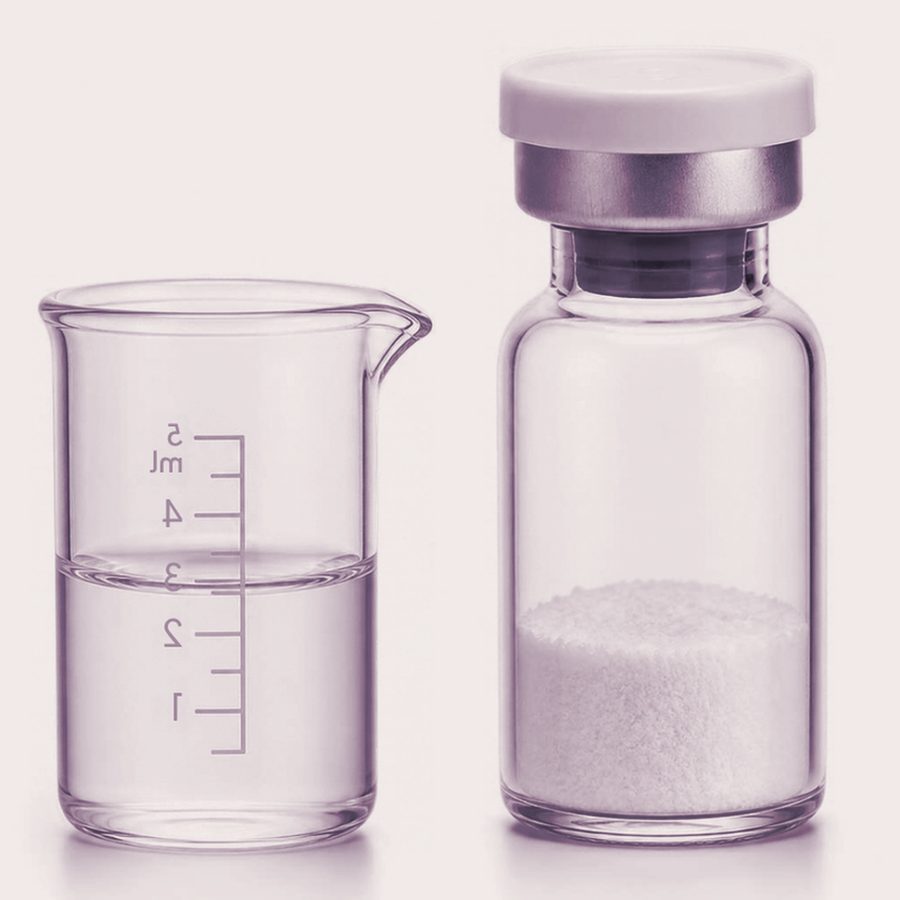
BPC-157 peptide is sold primarily as a lyophilized (freeze-dried) powder in sealed vials. Reconstitution with bacteriostatic water is required before use in research protocols. Some vendors also sell pre-blended combinations, such as BPC-157 combined with TB-500. Oral capsule formulations exist but face questions about bioavailability for targets outside the GI tract. Form factors are compared in detail on the best peptides comparison page.
What the Labels Mean
Research peptides are sold labeled "for laboratory research use only" or "not for human consumption." This labeling reflects the regulatory status of the product, not necessarily how buyers use it. The distinction between a research chemical and a pharmaceutical is regulatory approval backed by human trial data. BPC 157 does not have that approval. Products labeled for research use have not undergone the manufacturing quality controls required for injectable pharmaceuticals. Understanding this label is the first step in evaluating any peptide product.
If you need help with reconstitution arithmetic, our reconstitution calculator handles the math. For safety considerations, read our peptide safety guide before making any decisions.
Research-BackedEvery claim links to a published study or regulatory source
Price per MilligramReal vendor pricing compared with full arithmetic
IndependentNo brand sponsors or paid placements shape our editorial content
FAQ - BPC-157 Peptide
What is BPC-157 peptide?
BPC-157 is a synthetic peptide consisting of 15 amino acids (sequence: GEPPPGKPADDAGLV) derived from a protein found in human gastric juice. It has a molecular weight of 1419.53 g/mol and is unusually stable in acidic conditions. It has been studied extensively in animal models across multiple tissue types but has not completed any human clinical trials.
Is BPC-157 approved by the FDA?
No. The FDA has not approved BPC-157 for any human use. In 2026, the FDA Pharmacy Compounding Advisory Committee (PCAC) voted on whether to include BPC-157 on the 503A Bulks List for pharmacy compounding. The committee recommended against inclusion, citing insufficient safety and efficacy data in humans. BPC 157 remains classified as a research compound.
How is BPC-157 sold?
BPC-157 is sold as a lyophilized powder in sealed vials by research peptide vendors. It is labeled "for laboratory research use only." Buyers must reconstitute the powder with bacteriostatic water before use. Some vendors also sell it in pre-blended vials with TB-500. Pricing ranges from approximately $34.95 to $43.20 per vial depending on vendor and quantity. See our dosage data page for published study protocols.
What does the research show about BPC-157?
Published preclinical studies report accelerated tissue repair in tendon, muscle, gut, nerve and skin models in rats and mice. The proposed mechanism involves nitric oxide system modulation and upregulation of VEGF and its receptor VEGFR2. A 2025 systematic review found over 500 preclinical publications and identified one qualifying clinical analysis. All positive efficacy data comes from animal models conducted predominantly by one research group at the University of Zagreb. Independent replication and human trial data remain absent.